Understanding The Role Of Ankle Foot Orthoses In Mobility
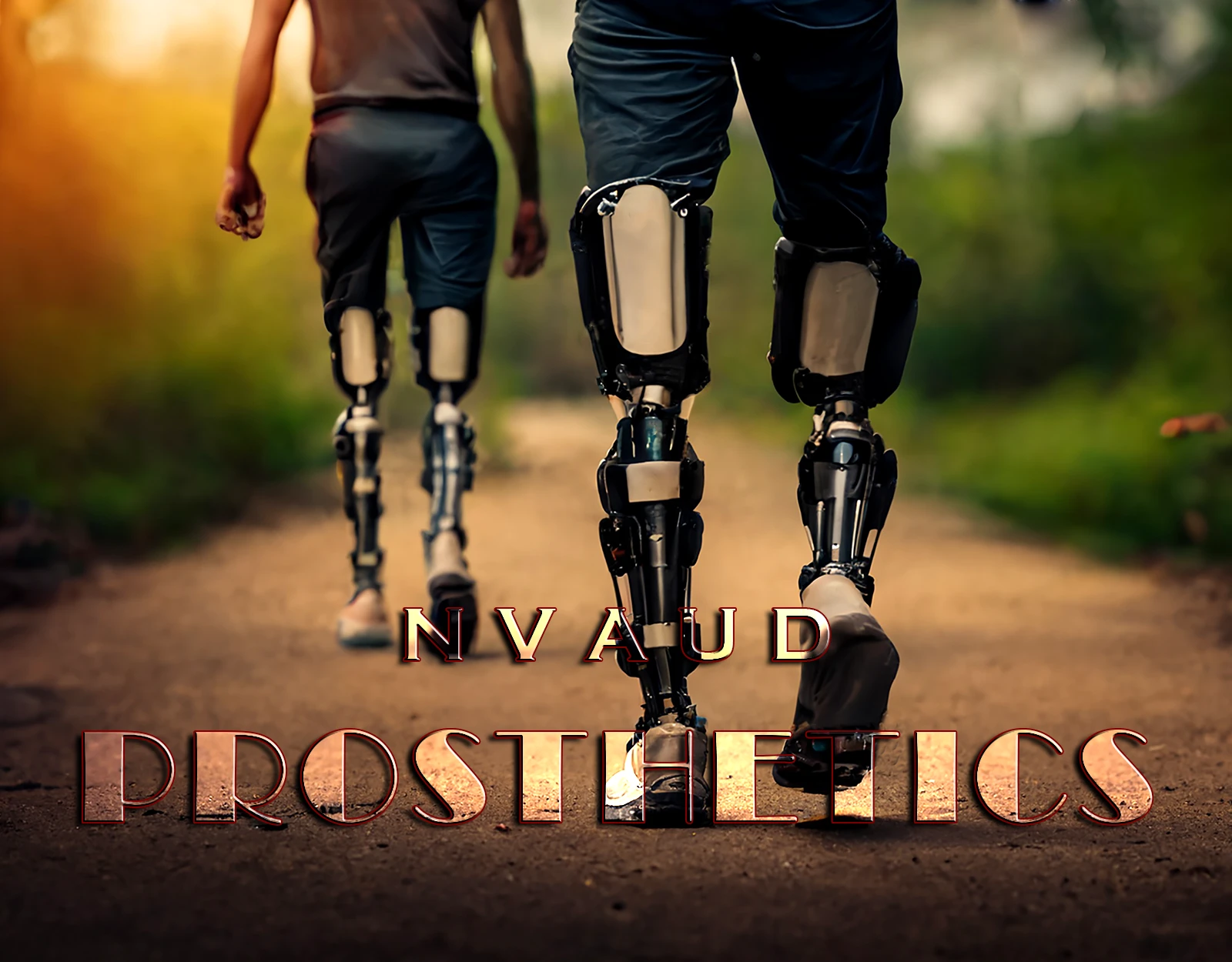
An ankle foot orthosis is a medical device designed to support, align, or correct the function of the ankle and foot. For patients with neurological conditions, muscle weakness, or orthopedic injuries, these devices can be the key to increased mobility and independence. By stabilizing the lower leg and controlling movement, AFOs help prevent falls and allow users to walk more naturally, improving not just safety but overall confidence in day-to-day activities.
Innovations In Materials Boost Comfort And Performance
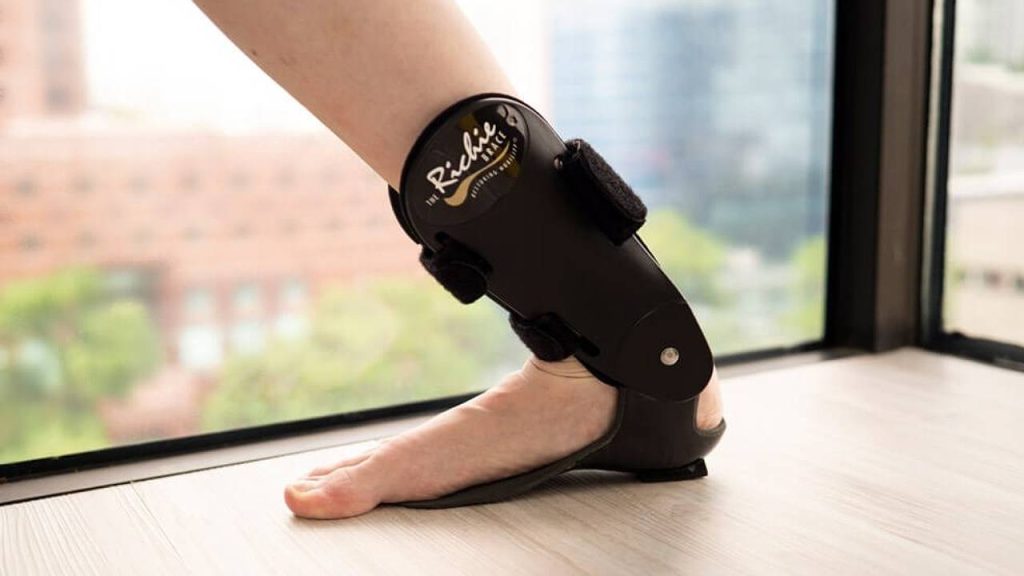
Recent advances in materials have dramatically improved how ankle foot orthoses feel and function. Lightweight polymers, flexible carbon fiber, and breathable liners contribute to less bulk and more comfort. These new materials reduce skin irritation and overheating, encouraging patients to wear their devices longer and with less discomfort. Enhanced durability also means modern AFOs stand up better to daily use, providing reliable support with minimal maintenance or repairs.
Custom Fit And Design Tailored To Each Patient’s Needs
Personalization is key to successful ankle foot orthosis intervention. Custom-molded AFOs are made using scans, digital modeling, and casting to perfectly match the shape of an individual’s leg and foot. This precise fit prevents pressure sores and helps optimize gait mechanics. Clinicians work closely with patients to adjust the angle, flexibility, and straps, ensuring the device meets unique needs, whether for daily walking, physical therapy, or sports participation.
Improving Participation In Social And Recreational Activities
One of the most significant impacts of modern AFOs is their ability to boost participation beyond clinical settings. Ankle foot orthoses not only aid in rehabilitation but also empower patients to join in social, work, and recreational activities. Sleeker, less noticeable designs with customizable colors inspire confidence and reduce stigma. As mobility and endurance increase, patients often report higher satisfaction with life and greater opportunities for inclusion.
Ongoing Support And Training Enhance Long-Term Success
Proper training and periodic evaluation are vital after receiving an AFO. Physical therapists teach patients how to use their devices safely, adjust the fit, and maintain balance through targeted exercises. Routine follow-ups allow for adjustments that adapt to changing needs or growth, especially for children. This ongoing partnership maximizes the benefits of an AFO, transforming it from a basic brace into a tool for lifelong mobility success.
The Future Brings Hope With Continued Innovation
Breakthroughs in technology, such as smart sensors and robotic exoskeletons, are set to enhance the effectiveness of ankle foot orthoses. These advancements promise even greater adaptability and comfort for users. As awareness grows and devices become more accessible, the positive impact on patients’ lives will only expand, offering renewed possibilities for independence and participation in every aspect of life.