How Custom Prosthetics Improve Patients’ Quality Of Life

Personalized Prosthetics Address Unique Physical Needs

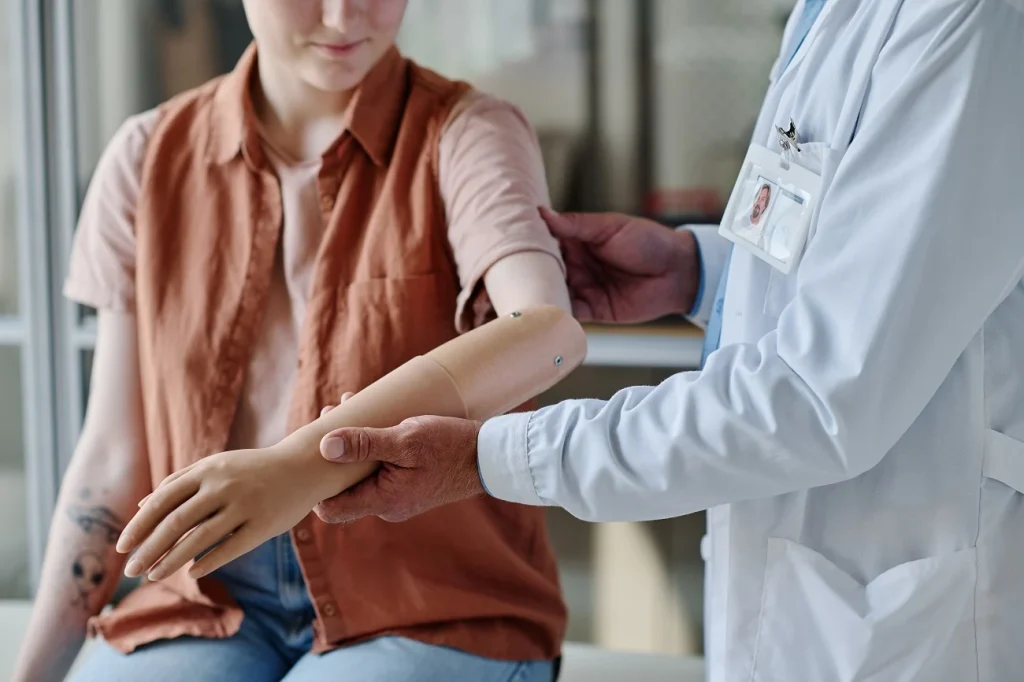
Each individual facing limb loss has a unique body shape, lifestyle, and set of daily tasks. Custom prosthetics are specifically designed to accommodate these variations, ensuring a precise fit for each patient. Through in-depth assessments and measurements, prosthetists create sockets and components tailored to match an individual’s anatomy. This personalized approach promotes comfort and functionality, greatly reducing skin irritations and alignment problems that often occur with off-the-shelf solutions.
Innovations In Technology Enhance Mobility And Freedom

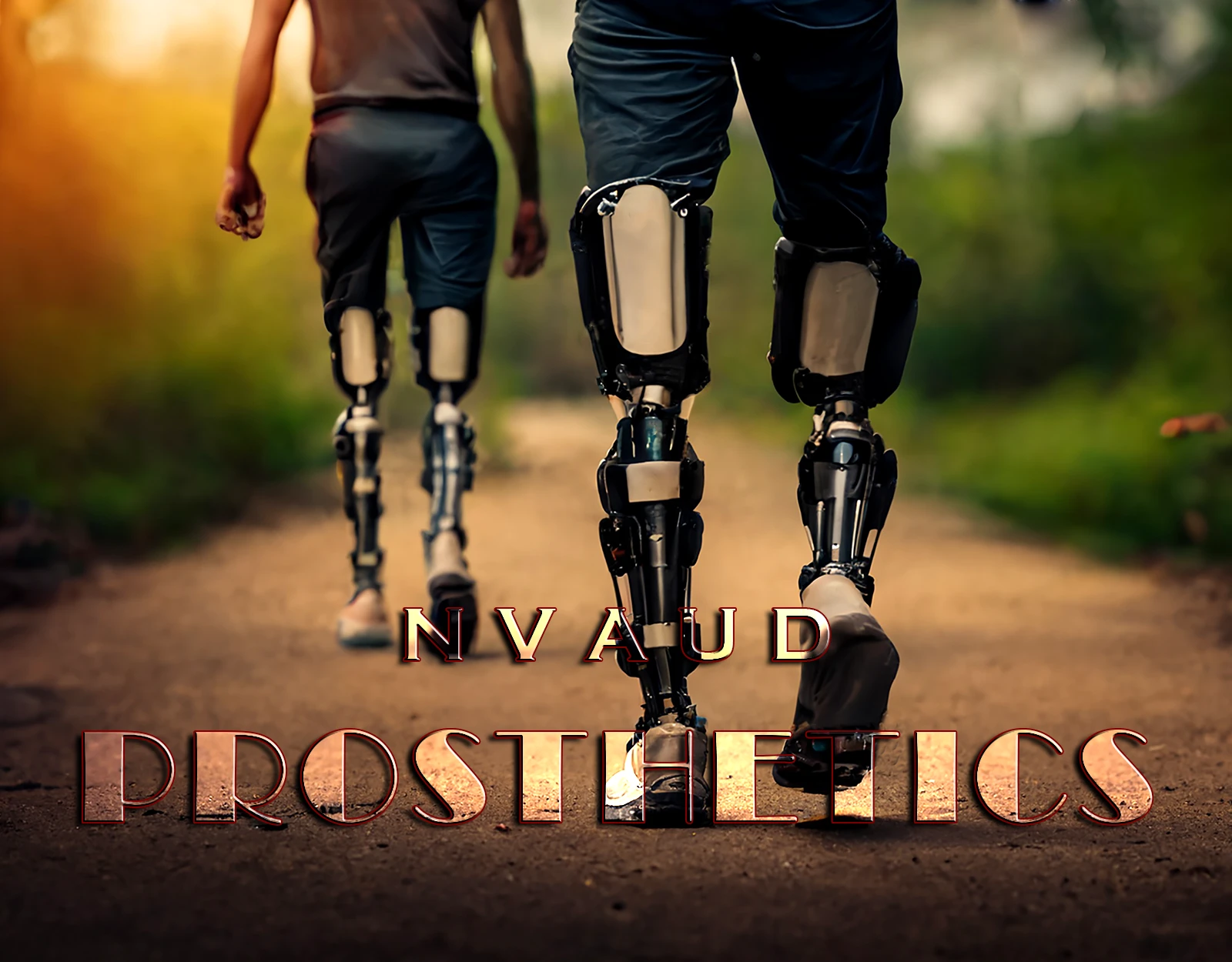
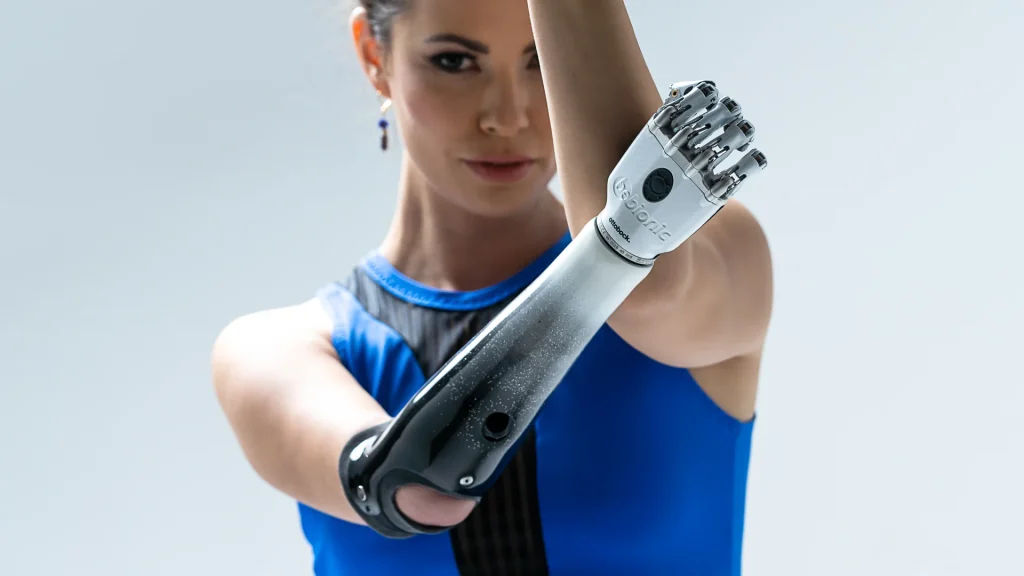
Today’s custom prosthetics utilize cutting-edge materials such as lightweight carbon fiber, advanced polymers, and microprocessor-controlled joints. These technological innovations enable users to walk, run, grip, or perform fine motor tasks with greater ease. Adjustable and programmable features mean the device can adapt alongside the patient’s lifestyle changes. As a result, patients enjoy increased mobility and independence, allowing them to participate in more activities and social interactions.

Psychological Benefits Of A Better Prosthetic Fit

A well-fitted custom prosthetic does more than improve physical function—it also has profound effects on mental well-being. When patients feel secure and comfortable with their prosthesis, confidence grows. This boosts self-esteem and encourages social engagement, reducing feelings of isolation often experienced by amputees. Over time, these positive emotions contribute to a better outlook on life and a stronger sense of self, which are crucial for the emotional recovery process.

Supporting Active Lifestyles And Recreational Activities

For those eager to return to sports, hobbies, or physically demanding jobs, custom prosthetics open new possibilities. Devices can be specially engineered for cycling, swimming, running, or even playing musical instruments. By supporting patients’ passions and vocational goals, these prosthetics help users reclaim a sense of normalcy and fulfillment. The return to beloved activities adds another layer of satisfaction and encourages ongoing physical health.

Routine Adjustments Ensure Lifelong Comfort And Function

The journey with custom prosthetics doesn’t end with the initial fitting. Life changes such as weight fluctuations, increased activity, or aging can all affect how a prosthesis fits and functions. Prosthetists offer ongoing care, making necessary adjustments to ensure the device continues to meet the patient’s needs. This commitment to lifelong support enhances comfort, prevents injuries, and reassures users as they move forward.

The Lasting Impact Of Tailored Prosthetic Solutions

Ultimately, custom prosthetics have revolutionized the path to recovery after limb loss, offering improved comfort, function, and emotional well-being. By focusing on individual needs and supporting patients in all aspects of their lives, these advanced devices continue to raise the standard for quality of life, helping users step confidently into the future.


Facebooktwitterredditpinterestlinkedinmail

The Materials And Design Used To Craft Running Prosthetics

Exploring The Unique Demands Placed On Running Prosthetics

Running prosthetics must withstand intense physical demands, including repeated impact, rapid acceleration, and swift directional changes. Unlike everyday prosthetic devices, these specialized limbs are engineered for dynamic performance. Designers focus on maximizing energy efficiency and shock absorption, ensuring that athletes can achieve powerful strides while minimizing stress on their residual limb. Meeting these rigorous demands starts with understanding how materials and design influence movement, comfort, and durability.

The Role Of Carbon Fiber In Modern Prosthetic Limbs

Carbon fiber is the standout material used in most running prosthetics because it is both lightweight and exceptionally strong. This unique combination allows the prosthesis to flex and return energy with each stride, closely mimicking the spring-like action of a biological leg. By reducing both weight and energy loss, carbon fiber components help users to run longer distances with greater comfort and speed. In addition, the material’s durability ensures fewer replacements or repairs over time.

Blade-Shaped Designs Enhance Speed And Agility

One of the most visually iconic aspects of running prosthetics is the blade-shaped foot. This design is curved to mimic the mechanics of a running foot, offering a larger surface area for push-off and optimal shock distribution. The streamlined shape helps create forward momentum while providing stability during turns and sprints. Advances in computer modeling allow designers to customize the blade’s flex and resistance, tailoring each device to the user’s specific athletic goals and weight.

Custom Fittings And Socket Innovations Improve Comfort

The interface between the runner’s limb and their prosthesis, known as the socket, is equally vital. New developments include anatomically shaped sockets, breathable liners, and adjustable suspension systems. These innovations minimize irritation and improve control, allowing athletes to run with confidence and less pain. Custom fittings ensure the running prosthetics adapt perfectly to each individual’s body, which is particularly important for both performance and injury prevention.

Adaptability For Different Styles Of Running And Terrain

No two runners are exactly alike, which is why running prosthetics are often tailored and adapted for various types of running, from sprints to marathons. Some designs feature interchangeable blade feet, variable stiffness, and advanced shock absorbers for different surfaces. This adaptability helps athletes optimize their stride and maintain comfort over varied terrain, giving them a competitive edge and more freedom in their training routines.

The Future Of Prosthetic Technology In Track And Field

Continuous progress in material science and design innovation means running prosthetics will become even lighter, stronger, and more responsive. As research advances, athletes can look forward to devices that closely mimic natural movement and offer unprecedented performance. By combining science, technology, and sport, these prosthetics are not only breaking records—they’re redefining what’s possible for amputee athletes worldwide.

Facebooktwitterredditpinterestlinkedinmail

Pros And Cons Of Passive Prosthetics

Understanding The Basic Function Of Passive Prosthetics

Passive prosthetics are artificial limbs or devices designed primarily for appearance and simple support, rather than active movement. Unlike their dynamic or myoelectric counterparts, these prostheses do not move or provide powered motion. Instead, they focus on cosmetic restoration, helping wearers feel confident in social settings. By mimicking the appearance of natural limbs, passive prosthetics are often chosen by individuals seeking to normalize their silhouette or simply stabilize their posture and movement.

Advantages Of Using Passive Prosthetics In Daily Life

One major benefit of passive prosthetics is their lightweight construction, which can enhance comfort and lower fatigue during daily wear. They are usually less expensive than active or electronic prosthetic devices, making them accessible for a wider range of users. Because passive prosthetics involve fewer moving parts, they generally require minimal maintenance and fewer repairs. This simplicity is highly valued in situations where durability and visual appeal outweigh the need for functional grasp or manipulation.

Limitations When It Comes To Active Functionality

Despite their visual benefits, passive prosthetics come with notable drawbacks related to functionality. These devices cannot provide powered or articulated motion, which may limit the wearer’s ability to perform tasks that require gripping, holding, or manipulating objects. As a result, users who rely solely on passive prosthetics may still need to adapt to one-handed tasks or require assistance for complex activities. This limited function can hinder some users’ independence and restrict their participation in physically demanding activities.

Psychological And Social Implications For Wearers

For many, the psychological benefits of wearing passive prosthetics are just as significant as physical considerations. By restoring a symmetrical appearance, these devices help counteract feelings of self-consciousness or social anxiety, especially in public spaces. However, some users might also experience frustration if the prosthesis does not offer the desired level of utility. The balance between appearance and function is highly individual, and emotional adjustment often depends on each user’s lifestyle and expectations.

Choosing The Most Suitable Prosthetic Approach

Deciding whether to use passive prosthetics largely depends on a patient’s goals and daily necessities. Health professionals often collaborate with users to assess needs, recommending passive options when appearance and comfort are primary concerns. For those requiring greater dexterity or engagement in complex tasks, alternative prosthetic solutions may be more appropriate. Ultimately, there is no universal answer—the right choice is always personalized to align with each individual’s unique challenges and aspirations.

The Future Outlook For Passive Prosthesis Design

As technology improves, so does the life-like appearance and comfort of passive prosthetics. Better materials and 3D printing technologies are making these devices even more customizable and durable. While functionally limited, continued innovation promises passive prosthetic users new ways to merge aesthetics with everyday reliability, presenting a future where users have even more options for balancing comfort, appearance, and need.

Facebooktwitterredditpinterestlinkedinmail