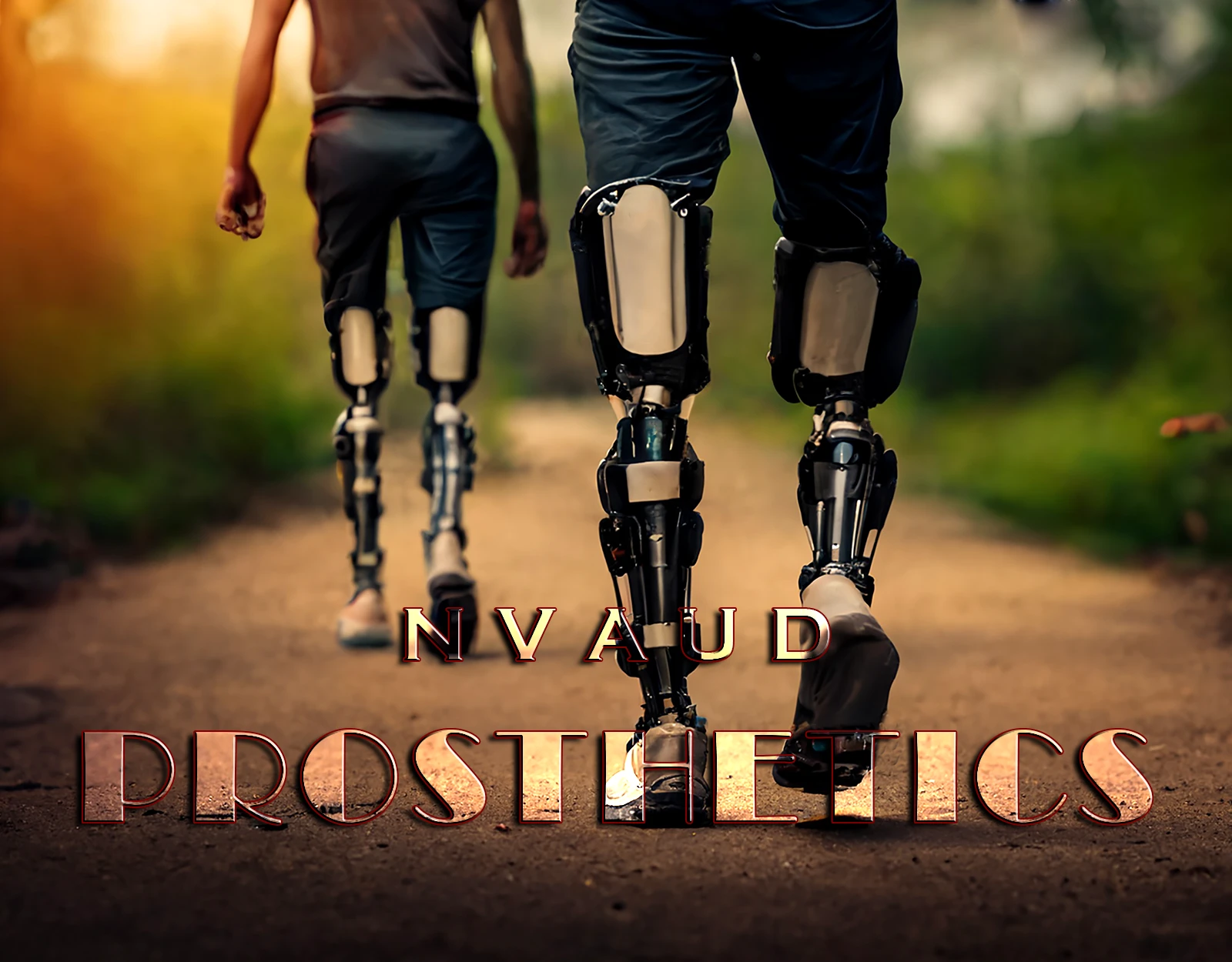
Understanding The Basic Function Of Passive Prosthetics
Passive prosthetics are artificial limbs or devices designed primarily for appearance and simple support, rather than active movement. Unlike their dynamic or myoelectric counterparts, these prostheses do not move or provide powered motion. Instead, they focus on cosmetic restoration, helping wearers feel confident in social settings. By mimicking the appearance of natural limbs, passive prosthetics are often chosen by individuals seeking to normalize their silhouette or simply stabilize their posture and movement.
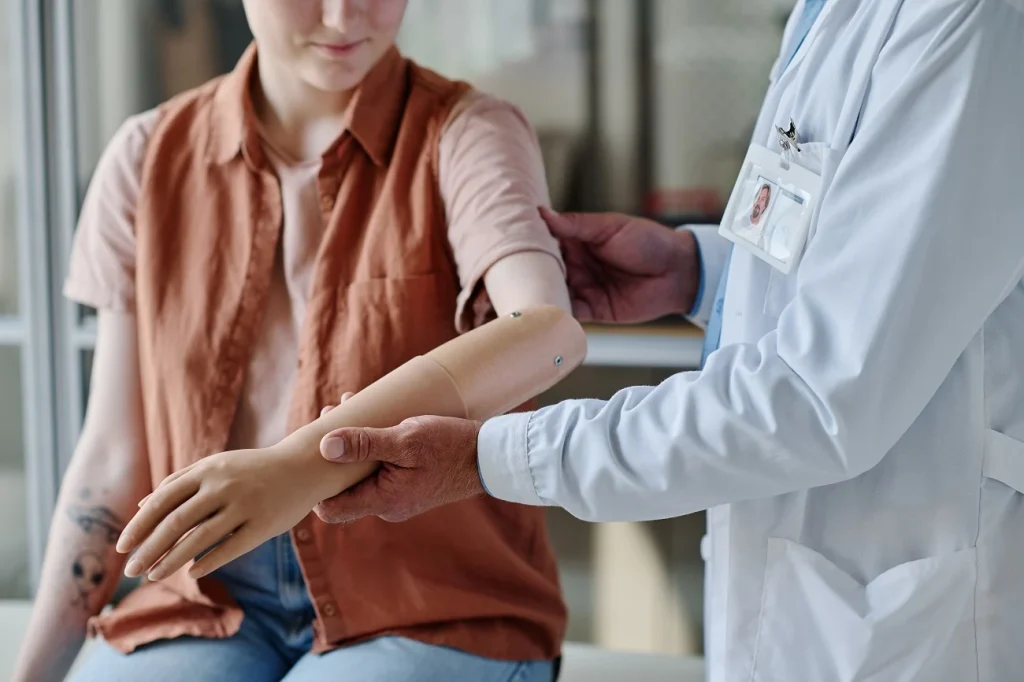
Advantages Of Using Passive Prosthetics In Daily Life
One major benefit of passive prosthetics is their lightweight construction, which can enhance comfort and lower fatigue during daily wear. They are usually less expensive than active or electronic prosthetic devices, making them accessible for a wider range of users. Because passive prosthetics involve fewer moving parts, they generally require minimal maintenance and fewer repairs. This simplicity is highly valued in situations where durability and visual appeal outweigh the need for functional grasp or manipulation.
Limitations When It Comes To Active Functionality
Despite their visual benefits, passive prosthetics come with notable drawbacks related to functionality. These devices cannot provide powered or articulated motion, which may limit the wearer’s ability to perform tasks that require gripping, holding, or manipulating objects. As a result, users who rely solely on passive prosthetics may still need to adapt to one-handed tasks or require assistance for complex activities. This limited function can hinder some users’ independence and restrict their participation in physically demanding activities.
Psychological And Social Implications For Wearers
For many, the psychological benefits of wearing passive prosthetics are just as significant as physical considerations. By restoring a symmetrical appearance, these devices help counteract feelings of self-consciousness or social anxiety, especially in public spaces. However, some users might also experience frustration if the prosthesis does not offer the desired level of utility. The balance between appearance and function is highly individual, and emotional adjustment often depends on each user’s lifestyle and expectations.
Choosing The Most Suitable Prosthetic Approach
Deciding whether to use passive prosthetics largely depends on a patient’s goals and daily necessities. Health professionals often collaborate with users to assess needs, recommending passive options when appearance and comfort are primary concerns. For those requiring greater dexterity or engagement in complex tasks, alternative prosthetic solutions may be more appropriate. Ultimately, there is no universal answer—the right choice is always personalized to align with each individual’s unique challenges and aspirations.
The Future Outlook For Passive Prosthesis Design
As technology improves, so does the life-like appearance and comfort of passive prosthetics. Better materials and 3D printing technologies are making these devices even more customizable and durable. While functionally limited, continued innovation promises passive prosthetic users new ways to merge aesthetics with everyday reliability, presenting a future where users have even more options for balancing comfort, appearance, and need.