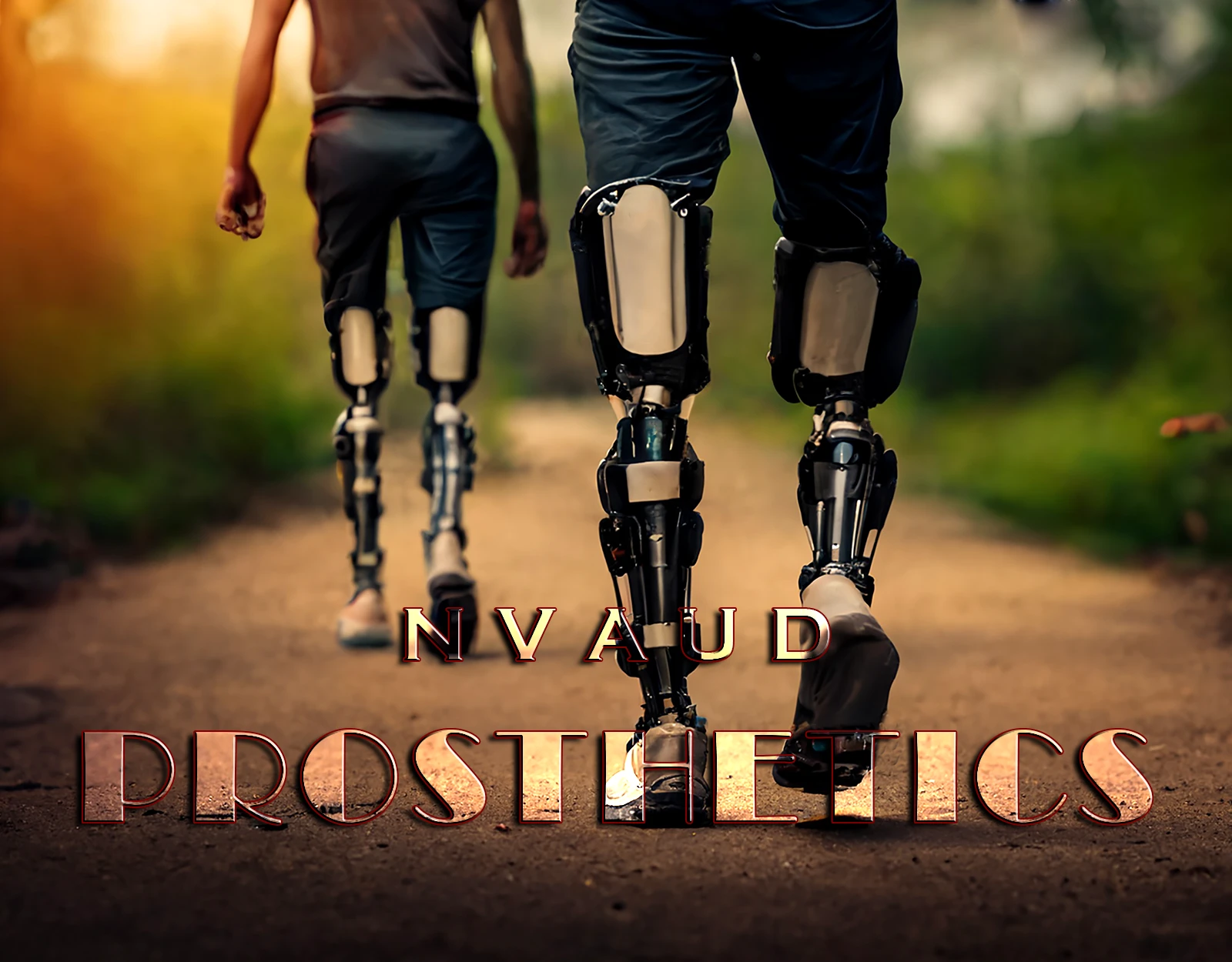
Exploring The Unique Demands Placed On Running Prosthetics
Running prosthetics must withstand intense physical demands, including repeated impact, rapid acceleration, and swift directional changes. Unlike everyday prosthetic devices, these specialized limbs are engineered for dynamic performance. Designers focus on maximizing energy efficiency and shock absorption, ensuring that athletes can achieve powerful strides while minimizing stress on their residual limb. Meeting these rigorous demands starts with understanding how materials and design influence movement, comfort, and durability.
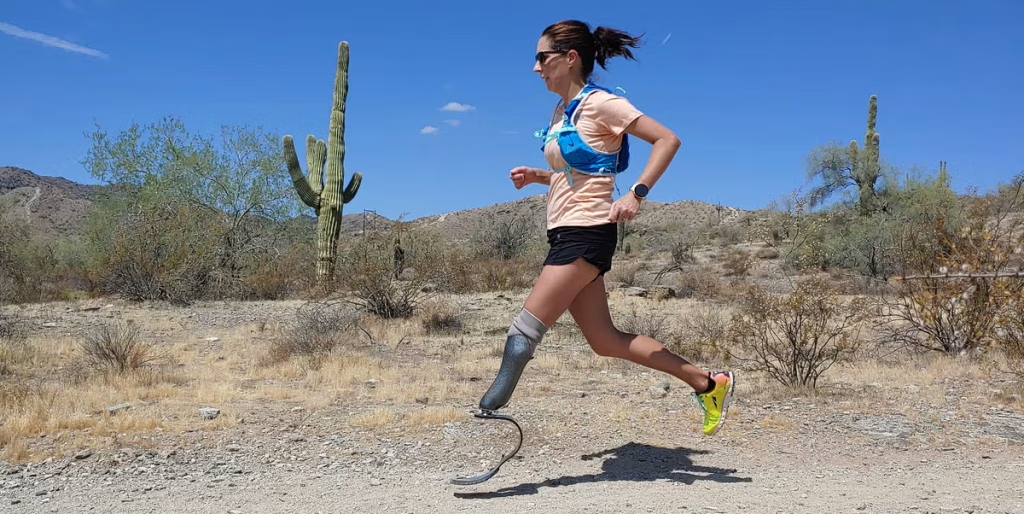
The Role Of Carbon Fiber In Modern Prosthetic Limbs
Carbon fiber is the standout material used in most running prosthetics because it is both lightweight and exceptionally strong. This unique combination allows the prosthesis to flex and return energy with each stride, closely mimicking the spring-like action of a biological leg. By reducing both weight and energy loss, carbon fiber components help users to run longer distances with greater comfort and speed. In addition, the material’s durability ensures fewer replacements or repairs over time.
Blade-Shaped Designs Enhance Speed And Agility
One of the most visually iconic aspects of running prosthetics is the blade-shaped foot. This design is curved to mimic the mechanics of a running foot, offering a larger surface area for push-off and optimal shock distribution. The streamlined shape helps create forward momentum while providing stability during turns and sprints. Advances in computer modeling allow designers to customize the blade’s flex and resistance, tailoring each device to the user’s specific athletic goals and weight.
Custom Fittings And Socket Innovations Improve Comfort
The interface between the runner’s limb and their prosthesis, known as the socket, is equally vital. New developments include anatomically shaped sockets, breathable liners, and adjustable suspension systems. These innovations minimize irritation and improve control, allowing athletes to run with confidence and less pain. Custom fittings ensure the running prosthetics adapt perfectly to each individual’s body, which is particularly important for both performance and injury prevention.
Adaptability For Different Styles Of Running And Terrain
No two runners are exactly alike, which is why running prosthetics are often tailored and adapted for various types of running, from sprints to marathons. Some designs feature interchangeable blade feet, variable stiffness, and advanced shock absorbers for different surfaces. This adaptability helps athletes optimize their stride and maintain comfort over varied terrain, giving them a competitive edge and more freedom in their training routines.
The Future Of Prosthetic Technology In Track And Field
Continuous progress in material science and design innovation means running prosthetics will become even lighter, stronger, and more responsive. As research advances, athletes can look forward to devices that closely mimic natural movement and offer unprecedented performance. By combining science, technology, and sport, these prosthetics are not only breaking records—they’re redefining what’s possible for amputee athletes worldwide.